
The 5th U.S. Circuit Court of Appeals ruled that immigration agents cannot hold immigrants for more than 90 days

Philicia Chaika
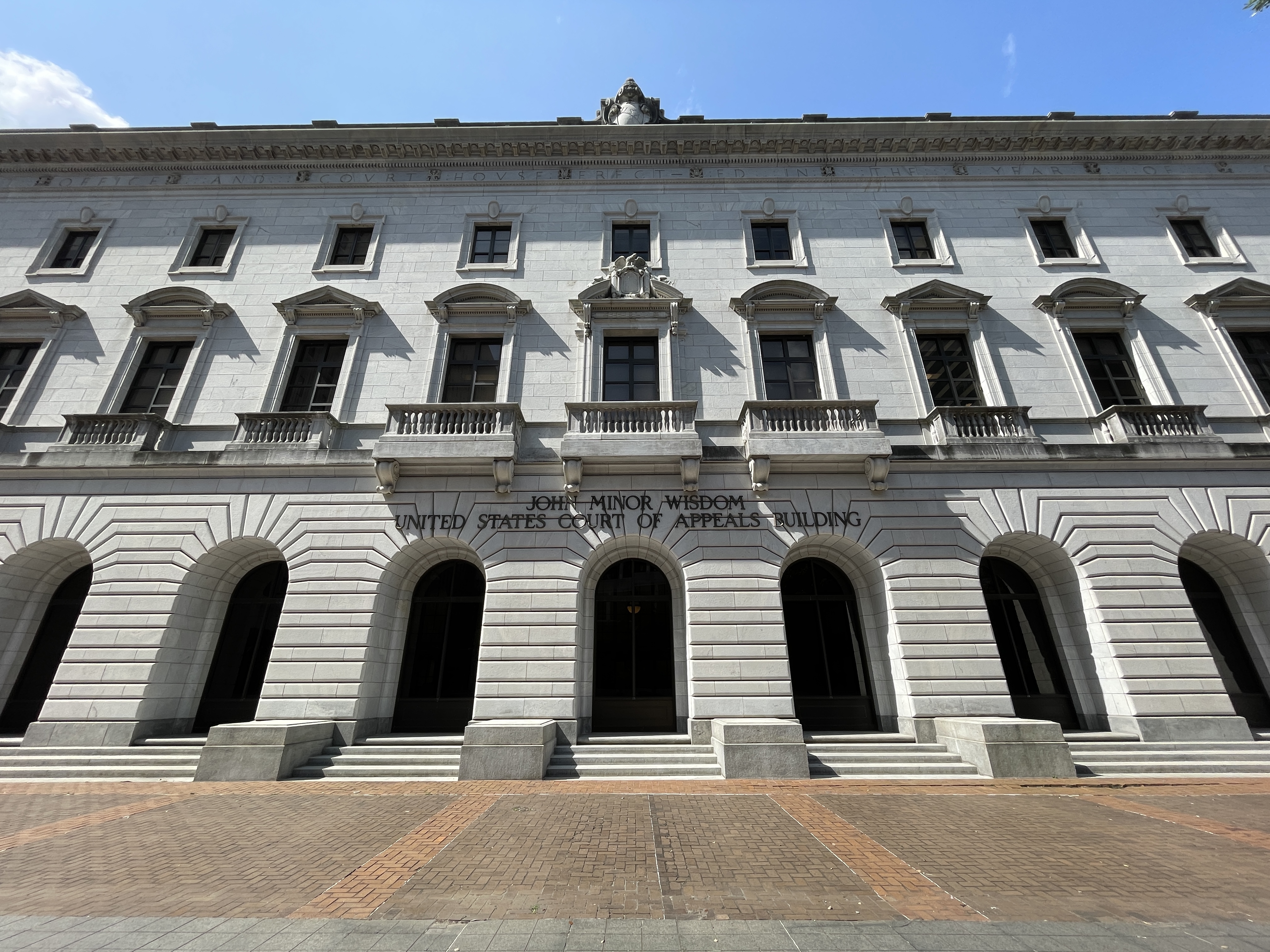
The 5th U.S. Circuit Court of Appeals ruled Thursday that federal immigration agents cannot hold undocumented immigrants for more than 90 days without a bond hearing, striking down a Trump administration policy that required agents to detain immigrants until deportation. The three-judge panel, based in New Orleans, split 2-1. Judge Leslie H. Southwick, a George W. Bush appointee, wrote the majority opinion and said the government must hold a hearing within 90 days of an immigrant's detention and give an individualized reason for keeping the person locked up without bond. Judge James E. Graves Jr., an Obama appointee, joined the majority but wrote separately that even 90 days is too long, describing what he called "an appalling lack of humanity" in current detention conditions. Judge Cory Wilson, a Trump appointee, dissented, arguing that undocumented immigrants have no right to challenge their detention under current law. The panel drew a line between immigrants recently arrested at the border, whom the government can still hold until deportation under existing law, and those who had already built lives in the U.S. before their arrest, whom the court said due process protections cover. The case originated with three Texas men - Ignacio Sosnava Rodriguez, Miguel Angel Gomez Alvarado and Alejandro Villegas Angel - whom state troopers arrested during routine traffic stops between November 2025 and February 2026. All three had lived in the country at least 14 years, worked, and had children who are U.S. citizens. Troopers turned the men over to Immigration and Customs Enforcement, which held them without letting them see a judge. Federal judges later ordered their release, ruling that denying them a bond hearing violated their due process rights. The Trump administration appealed those rulings, defending a policy it put in place in July 2025 that called for holding undocumented immigrants without bond until deportation. The policy has driven a historic wave of litigation. Immigrants filed nearly 47,000 habeas corpus petitions in the first 13 months of the second Trump administration, according to ProPublica, more than in the previous three administrations combined, with roughly one in five filed in Texas federal courts. A Politico analysis found more than 400 federal judges, appointed by presidents of both parties, have ruled in favor of immigrants' due process claims in over 5,000 cases since the policy took effect, compared with 41 judges who sided with the administration in 250 cases. Thursday's ruling brings the count of federal appeals courts that have rejected the policy to four, against two that have upheld it and one still undecided. Immigration lawyers say they expect the U.S. Supreme Court to take up the issue.
Our contacts:
contact@texasborderexaminer.com
editor@texasborderexaminer.com
© 2026 TEXAS BORDER EXAMINER
