
Sinaloa Cartel Co-Founder "El Mayo" Zambada Sentenced to Life, Ordered to Forfeit $15 Billion

Philicia Chaika
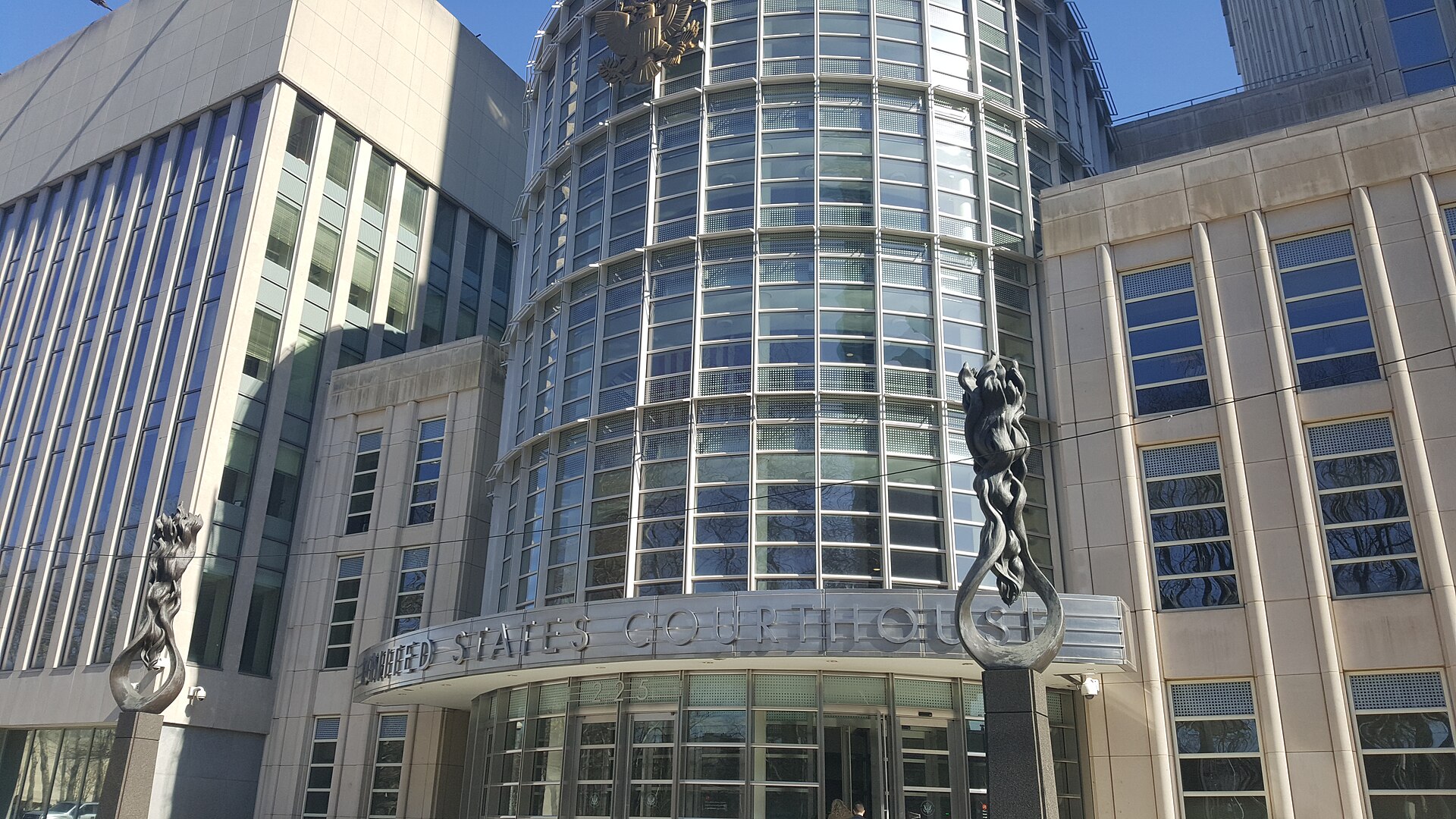
A federal court sentenced Ismael "El Mayo" Zambada Garcia, the 76-year-old co-founder of the Sinaloa Cartel, to life in prison Monday and ordered him to forfeit $15 billion in drug trafficking profits, closing out a case that ran through six federal districts, including the Western District of Texas. Zambada Garcia pleaded guilty to being the principal leader of a continuing criminal enterprise and to a racketeering charge under a plea agreement that folded a separate Western District of Texas indictment into the case prosecuted jointly by the Eastern District of New York and Southern District of Florida. That Texas indictment had charged him with RICO conspiracy tied to money laundering, murder and drug trafficking, along with state law violations for murder and kidnapping between January 2000 and April 2012. Prosecutors also charged him in the District of Columbia, the Northern District of Illinois, and the Southern and Central Districts of California. Zambada Garcia built and led the Sinaloa Cartel from its origins in the late 1980s until his arrest in July 2024, importing cocaine, heroin, methamphetamine and fentanyl into the United States and laundering billions of dollars in proceeds back into Mexico. He took on a larger role after the 2016 capture of his longtime partner, Joaquin "El Chapo" Guzman, and under his leadership the cartel expanded into producing fentanyl at Mexican labs using precursor chemicals bought from Chinese suppliers. Prosecutors said he protected the operation for decades by bribing Mexican officials and law enforcement, and used murder and intimidation to silence witnesses.
"This Administration has made the total elimination of cartels a national priority because Mexican drug cartels are a multifaceted threat to the American way of life," said U.S. Attorney Justin R. Simmons of the Western District of Texas. "The Western District of Texas is literally on the front lines of that fight, and our AUSAs and support staff will continue to wake up every day and do the next right thing on behalf of the American people just as they did in this case and so many cases like it." Assistant U.S. Attorneys Antonio Franco and Kyle Myers led the Texas prosecution. Assistant Attorney General A. Tysen Duva of the Justice Department's Criminal Division called the sentence the end of Zambada Garcia's "reign over the Sinaloa Cartel, one of the most violent and deadly drug cartels in history." DEA Administrator Terrance Cole noted the cartel is now designated a Foreign Terrorist Organization and said the agency "will continue targeting the leaders of the Sinaloa Cartel and every criminal organization that threatens the American people."
The trafficking model prosecutors described in the Zambada Garcia case is the one that shows up at the Texas border every week. Cartel product does not cross between the ports of entry, it crosses through them, packed into legitimate commercial freight. Officers at the Pharr International Bridge pulled $3.7 million in cocaine out of a trailer manifested as cucumbers in June and nearly $11 million in methamphetamine from a load listed as cabbage in July, and the San Antonio distribution network sentenced this month received more than 1,000 kilograms of methamphetamine hidden in shipments of lettuce. Produce moving north through the Rio Grande Valley is the delivery mechanism. Ports of entry accounted for 74.7 percent of the narcotics weight CBP seized along the Texas border in the first quarter of 2026, and the Laredo Field Office, which oversees the Hidalgo, Pharr, Roma and Brownsville crossings, moved 35.4 percent of the state total by weight, more than any other single CBP component. The enforcement architecture on display in the Zambada Garcia prosecution, a task force reaching across six federal districts to take down a cartel's command structure, sits above a much simpler operational reality on the ground, where the drugs arrive by truck at a handful of bridges and the question is whether a canine alerts before the shipment
Our contacts:
contact@texasborderexaminer.com
editor@texasborderexaminer.com
© 2026 TEXAS BORDER EXAMINER
